
Policy
Bike Utah is dedicated to fostering systemic change through policy

Our Advocacy
Bike Utah collaborates with policymakers and community groups to assess, draft, research, and update legislation at all levels of government. We support policies that align with our core values:
Improve safety for pedestrians, cyclists, and all road users.
Strengthen connections between homes, schools, jobs, and community destinations through better land use and transportation planning.
Promote active transportation as an attractive and convenient alternative to driving.
Bike Utah’s
Legislative Priorities
Bike Utah has worked with state legislators each year to develop bike-related bills. Since 2023, three of our priority bills have successfully become law, demonstrating the impact of focused advocacy and collaboration with policymakers.
2025 Legislative Session
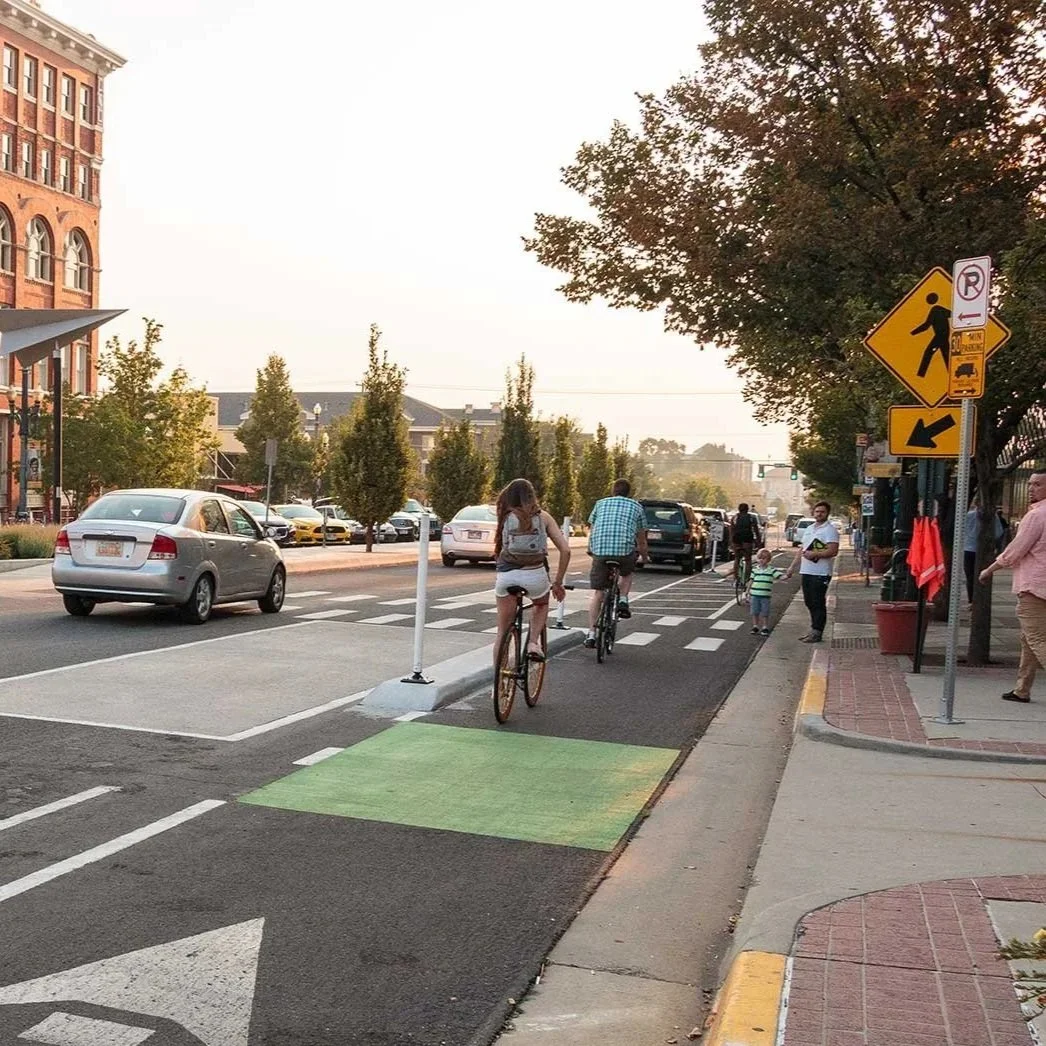
HB 290 - Bicycle Lane Safety Amendments
HB 290 was sponsored by Rep. Verona Mauga and Sen. Todd Weiler. The bill prohibits driving or parking within bike lanes statewide (with some exceptions) and clarifies responsibilities for cities and UDOT when bike lanes must be temporarily obstructed for maintenance. The bill aims to keep bike lanes clear, enhance cyclist safety, reduce conflicts between cyclists and vehicles, and support active transportation across Utah.
HB 290 passed with signficant majorities in both legislative chambers, was signed by the governor, and went into effect May 7, 2025.

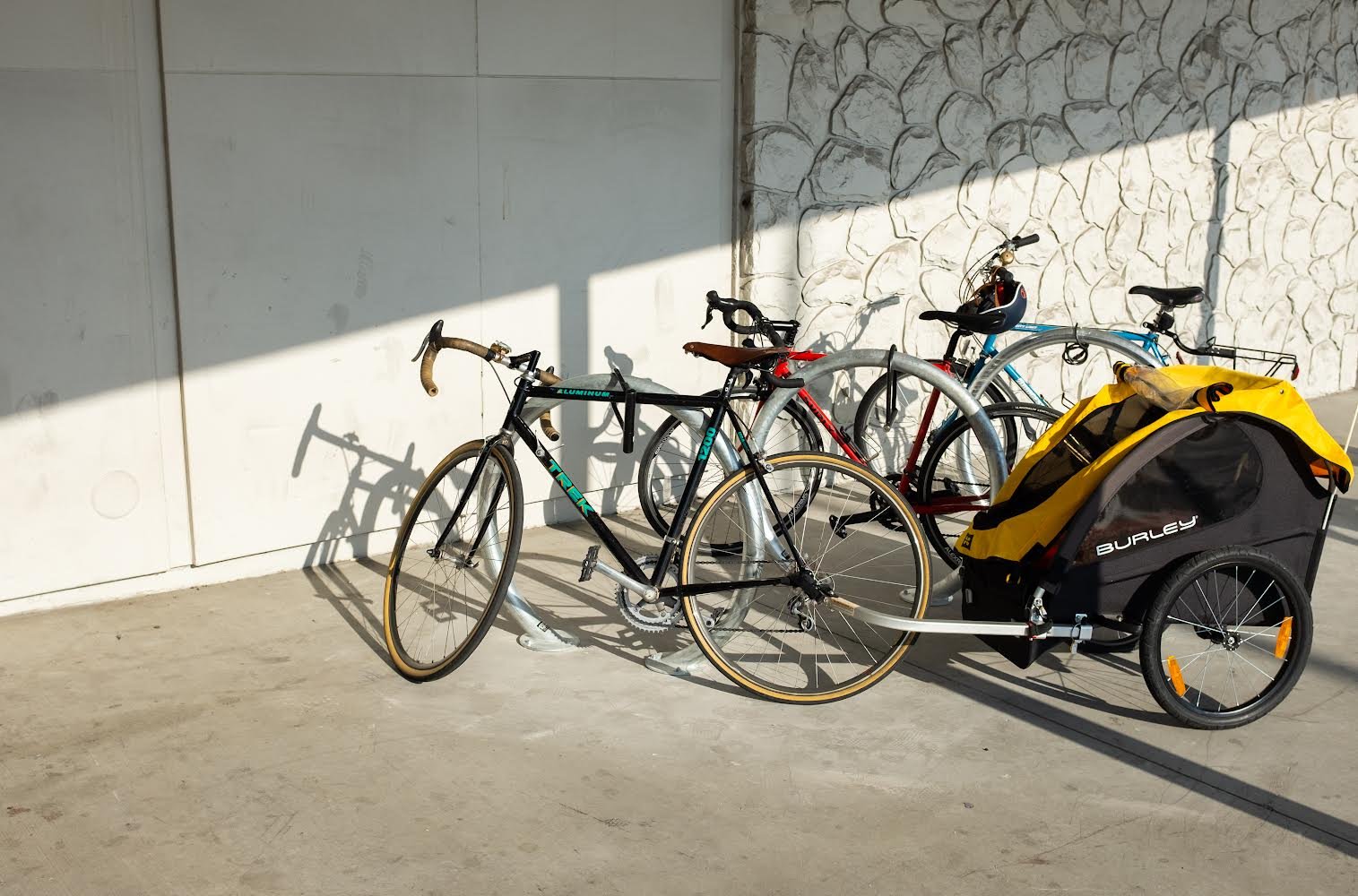
HB 554 - Bicycle Rack Amendments
HB 554 was sponsored by Rep. Verona Mauga and would have established the Bike Rack Matching Grant Pilot Program within the Governor’s Office. This program would have provided $50k in annual matching funds to help municipalities install and maintain public bicycle racks to support cyclists and local businesses.
HB 554 did not receive a legislative hearing and did not become law.
2024 Legislative Session
HB 449 - Pedestrian Safety and Facilities Act Modifications
HB 449 was sponsored by Rep. Nelson Abbott and Sen. Kathleen Riebe. The bill amends the state’s Pedestrian Safety and Facilities Act to explicitly include cyclists, requiring cities and UDOT to consider cyclist safety in planning and engineering decisions. It also enables the use of certain state road funds for a broader range of safety devices and traffic-calming measures.
HB 449 passed with large majorities in both legislative chambers and was signed by the governor.
2026 Legislative Session
2026 Legislative Session
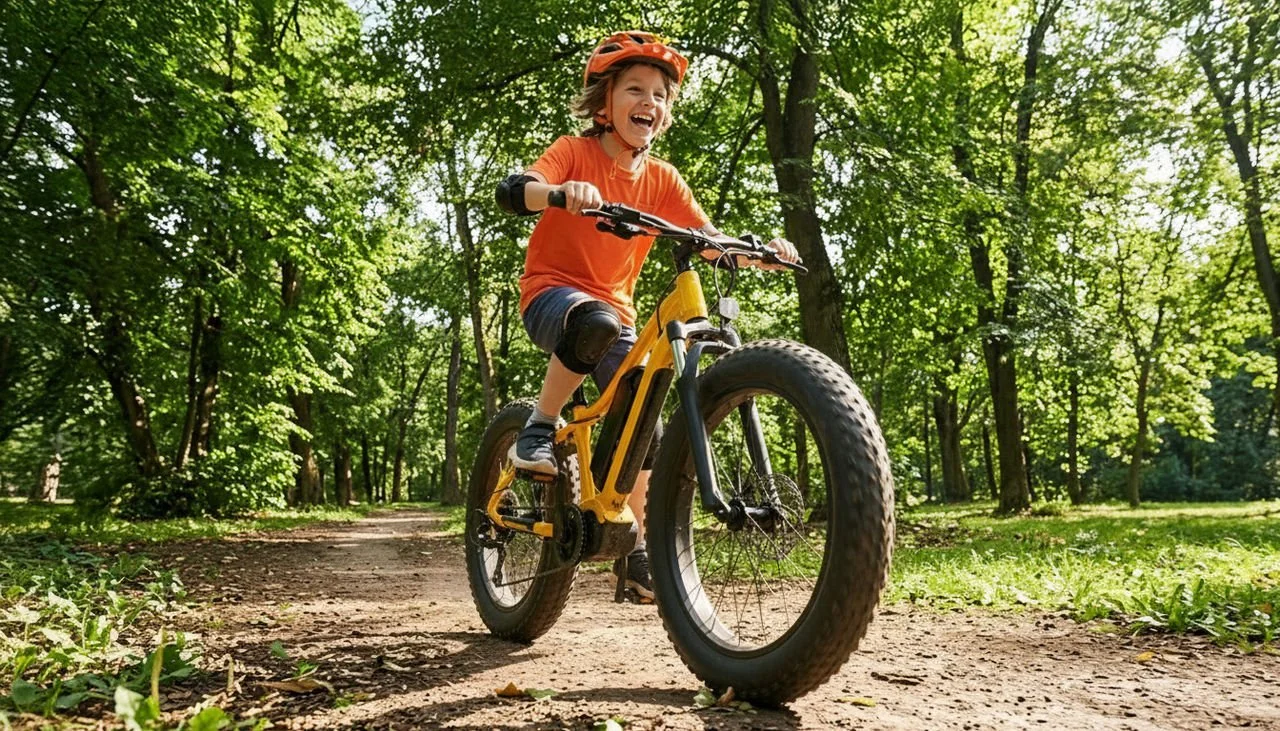
HB 381 - Electric Mobility Device Amendments
HB 381 was sponsored by Rep. Paul Cutler and Sen. Todd Weiler. The bill establishes a helmet requirement for e-bike riders under 21 on public roads and, starting May 2027, requires riders ages 8-15 to complete an online safety certificate course to ride an e-bike without adult supervision. The bill also makes many technical changes to clarify the distinction between e-bikes and and e-motorcycles.
HB 381 passed the House 49–19 and the Senate 18–10, was signed by the governor, and takes effect in phases beginning May 6, 2026. The safety certificate and age-related provisions take effect May 5, 2027.
Bike Utah’s 2026
Bill Tracker
Stay informed* on bills related to road safety, bike lanes and trails, outdoor recreation, e-bikes, complete streets, land use planning, and more!
*Bill tracking updates every 2 hours.
Past Policy Support
2025 Legislative Session
-
(Rep. Ward)
Bike Utah supports HB 88 and HB 90, two zoning reform bills that would allow accessory dwelling units (ADUs) and small-lot homes be built more easily within urban cities.
HB 88 permits one internal or external accessory dwelling unit (ADU) on all detached single-family residential lots in urban cities. This would enable more residents to live closer to work, schools, and other essential services, leading to higher levels of active transportation. It can also strengthen community connections by enabling smaller, more affordable living spaces. This bill addresses the state housing crisis by encouraging more efficient land use while still allowing reasonable development guidelines like ADU setback requirements.
HB 90 permits single-family homes to be built on lots as small as 6,000 sq ft in urban cities, supporting small-lot housing options along the Wasatch Front. This bill allows development of more compact neighborhoods that support walking and biking. By allowing residents to live closer to community services, like HB 88, it makes active transportation a convenient option for more Utahns.
Both bills address Utah’s housing crisis while promoting sustainable development that aligns with active transportation goals. By backing HB 88 and HB 90, you can help create more connected communities that integrate housing, mobility, and sustainability.
-
(Rep. Dailey-Provost)
Bike Utah supports HB 134, which allows food carts to be pulled by e-bikes, providing a more sustainable and accessible option for small businesses.
This clarification to state law removes an unnecessary barrier for food cart operators. E-bikes offer a clean, efficient, and affordable means of transportation. This legislation will enable innovative businesses like Hatch’s Chocolates in SLC to serve our communities while promoting active transportation and reducing their environmental footprint.
This legislation supports our commitment to fostering more sustainable and active transportation options to benefit individuals and businesses alike. We urge community members and policymakers to support HB 134 to further promote community-focused transportation solutions.
-
(Rep. Mauga)
Bike Utah supports HB 290 as a proactive way to protect bikers' safety. This bill prohibits vehicles from driving or parking within a bike lane and requires cities/UDOT to minimize bike lane obstructions or provide a detour during road construction.
Bike lanes are shown to reduce vehicle-cyclist crashes by up to 49% depending on road type. This benefit is significantly reduced when vehicles or other safety hazards block the bike lane. By removing bike lane obstructions, this bill ensures that cyclists have a clear and safe lane to ride in. When people feel safe on the road, they are more likely to bike to local destinations which has other community benefits including lower traffic congestion, better air quality, and improved health outcomes. This bill takes a balanced approach to protect bike lane traffic by also providing practical exceptions for city service vehicles and vehicles turning at intersections or parking areas, as long as they yield the right of way to cyclists within the bike lane.
Unobstructed bike lanes reduce conflicts between drivers and cyclists, making our roads safer and encouraging more people to bike. Join us in supporting HB 290 to prohibit bike lane obstructions and make our roads safer for cyclists and all road users.
-
(Rep. Dailey-Provost)
Bike Utah supports HB 523, which establishes a working group to identify funding sources for the Rio Grande Plan.
The Rio Grande Plan is a proposal to restore rail service to the Rio Grande Depot in SLC and bury the train tracks along 500 W. This bill is a key step toward rebuilding Utah’s transportation infrastructure and supporting more active and public transit in our communities. This project would make walking and biking downtown more convenient and enjoyable while also addressing the east-west divide in Salt Lake City.
When we prioritize transit investments, our communities become more accessible and livable. The Rio Grande Plan would also eliminate at-grade rail crossings, making our streets safer by reducing conflict points between trains, vehicles, pedestrians, and cyclists. Join us in supporting HB 523 as a step towards greater mobility, safer transportation, and more sustainable development.
-
(Rep. Mauga)
Bike Utah supports HB 554, a matching grant pilot program designed to fund and maintain bike racks. Cycling in Utah is increasingly popular, providing economic, transportation, and health benefits. This grant program would give municipalities the resources to support local businesses, reduce congestion, and promote healthier communities.
Bike racks increase foot traffic and encourage cycling as a cost-effective, eco-friendly mode of transportation. Communities with bike rack programs often attract both businesses and residents. Currently, only Park City and Salt Lake City have similar programs in Utah. With a $50,000 appropriation, this grant program would ensure fair and transparent implementation while demonstrating the positive impact of cycling on health and economic growth. Municipalities would be able to match these funds through the Governor's Office of Economic Opportunity.
Supporting HB 554 to expand bike racks throughout Utah can enhance community well-being and improve daily transportation options. By backing this initiative, Utah can create more sustainable and accessible active transportation networks.
-
(Sen. Plumb)
SB 212 would have required ebike riders under 21 to wear a helmet when riding on a road. The bill failed this morning on the Senate floor by an 11-13 vote.
As a safe streets organization, Bike Utah encourages all riders, especially kids, to wear a helmet when biking. However, we had concerns about how SB 212’s helmet requirement would be enforced and how it would impact ridership.
Mandatory helmet laws are shown to significantly reduce ridership, which has negative implications for public health and safety. Higher ridership creates a “safety in numbers” effect, leading to greater driver awareness and lower collision rates. Even well-intended policies like SB 212 may undermine public safety by reducing ridership.
Enforcement of a mandatory helmet law would also be challenging. It can be difficult to determine at a glance whether a bike is an ebike, and even harder to judge whether a rider is under 21. In practice, subjective enforcement may lead to arbitrary stops for anyone riding on a road without a helmet.
Rather than focusing on helmet requirements, we believe the best way to improve safety is through better infrastructure—slower vehicle speeds, protected bike lanes, and safer crossings. We appreciate the ongoing discussions about ebike safety and look forward to working with policymakers on holistic solutions.
-
(Sen. Harper, Rep. Christofferson)
This bill prohibits Salt Lake City from implementing road safety improvements like lowering speed limits, installing traffic calming measures, and reducing road widths. We are strongly opposed to this provision in SB 195.
SB 195 imposes a one-year moratorium on “highway reduction strategies,” an extremely broad term that includes any road improvement that may discourage driving or decrease vehicle capacity on a road — even when those improvements would reduce crashes, improve road safety, and support multimodal transportation. This bill bans proven safety improvements that are designed to create safer, more livable streets.
Roads should serve everyone, not just move the most cars as quickly as possible. This bill undermines Salt Lake City’s local decision-making and ignores the proven benefits of active, people-friendly street design. This bill also contradicts Utah’s transportation goals of expanding mobility options and improving safety for all road users.
This ban on road safety improvements was slipped in as a substitute on the Senate floor, bypassing the normal committee process, and has already passed the Senate. We urge House members to reject this harmful provision of SB 195.
-
(Sen. Fillmore)
Bike Utah supports SCR 2 to encourage children's development of independence and to deliver safe, self-directed travel and outdoor play.
This resolution supports kids’ independence and as pointed out, is crucial for their mental health and overall development. Anxiety is rising among kids, partly because they are not getting enough time to play and explore on their own. Independent activities help them build confidence, responsibility, and mechanisms to help throughout life. While kids are the main beneficiaries, schools and communities benefit as kids become more supportive and can collaborate to resolve challenges independently.
This program is an instrument to better foster childhood independence. Encouraging schools and communities to embrace it, allows children to grow into capable, independent community members. Join us in supporting SCR 2 to give kids the opportunity to become confident and independent. This fosters a better collaboration of communities focused on the growth of our future.
2024 Legislative Session
-
(Rep. Abbott)
“Bike Utah supports HB 449, which amends the pedestrian safety act to require municipalities and UDOT consider cyclist safety on all road projects where cyclist traffic is significant.
In 2023, 9 cyclists were killed and 40 were injured on Utah roads. Cyclists are regularly put into dangerous situations due to road design that prioritizes high-speed vehicle traffic over the lives of vulnerable Utahns. These unsafe road conditions prevent many Utahns, particularly families and children, from biking to school or work and enjoying the many benefits active transportation provides. This bill offers a more proactive and inclusive approach to road planning and engineering that ensures roads are designed for all users, not just vehicles.
Thank you to Representative Abbott, UDOT, WFRC, and the League of Cities and Towns for their collaboration and input on this important bill. This legislation will improve safety for pedestrians and cyclists, reduce fatalities, and support active transportation through the state. We encourage community members and policymakers to support HB 449.”
-
(Rep. Lesser, Sen Harper)
“Bike Utah supports HB 65, which will provide more coordination and resources to communities looking to enhance canal trails across the state.
Canal trails are some of the best active transportation routes we have. Compared to roads, canal trails are often much safer and more comfortable for cyclists and pedestrians, which attracts people who wouldn't otherwise walk or bike in their community. These trails also offer environmental benefits by preserving water and natural habitats, contributing to a more sustainable transportation network.
This legislation aligns with our mission to promote sustainable, active transportation options for people of all ages and abilities. We encourage community members and policymakers to support HB 65.”
-
(Rep. Ballard)
“Bike Utah supports HB 109, which will improve the Safe Routes to School planning process and enhance safety for Utah students who walk or ride to school.
As a nonprofit, we collaborate closely with schools to plan for safe routes, such as our most recent work with Hunter Elementary in West Valley. The effectiveness of this planning, however, is often limited due to a lack of coordination on physical infrastructure improvements. This legislation greatly enhances the planning process by requiring municipalities to evaluate school route plans and prioritize any actions they will take to improve safety on these routes.
This bill will improve safety and has the power to prevent injuries and fatalities. We encourage community members and policymakers to support HB 109.”
-
(Rep. Birkeland)
“Bike Utah supports HB 154, as amended, which removes an unnecessary requirement for cyclists to keep one or two hands on the handlebars at all times.
We thank Representative Birkeland for listening to our concerns with the initial language and working with us on an amendment.
Of course riding safely is important, but we also want to make sure this bill doesn't inadvertently contribute to victim blaming when cyclists are hit by drivers. Victim blaming is already a significant issue in our state where cyclists are regularly mistreated by drivers and held to a higher standard of safety.
With the amended language, this bill provides a clear and reasonable standard of safety for cyclists, while also allowing greater flexibility when riding. We encourage community members and policymakers to support HB 154.”
-
(Rep. Stenquist, Sen Winterton)
“Bike Utah supports HB 85, which clarifies the state definition of e-bikes to exclude certain e-motorcycles and requires manufacturers and sellers to label the class of e-bike before sale.
E-bikes are a transformative technology for active transportation. They significantly expand the reach and appeal of cycling, especially for those who face physical limitations or longer commute distances. This legislation supports e-bike ridership by empowering consumers with more information about the capabilities and permitted uses of different e-bike models. This bill also supports public agencies looking to build appropriation infrastructure and regulations for e-bike riders on certain paths and trails.
By supporting e-bikes, this bill will promote active transportation, reduce traffic congestion, improve air quality, and lead to healthier, more connective communities. We encourage community members and policymakers to support HB 85.”
-
(Rep. Spendlove)
“Bike Utah supports HB 345, which drastically increases fines for speeding in school zones and failure to obey school bus signals.
Although road design is by far the most effective way to improve road safety, traffic enforcement plays an important part in promoting compliance with traffic laws and reducing unsafe driving behaviors. By imposing stricter penalties, this legislation serves as a deterrent against illegal speeding and reckless driving, helping to create a safer environment particularly for students as they travel to and from school.
Road safety is fundamental for pedestrians and cyclists. Without high levels of safety, many people are resistant to walking and biking in their communities. This bill seeks to enhance road safety, which will protect vulnerable road users and encourage more active transportation near schools throughout the state. We encourage community members and policymakers to support HB 345.”
-
(Rep. Bennion)
This unnumbered bill would have implemented leading pedestrian invervals (aka pedestrian head start) at intersections with high pedestrian traffic throughout the state. This would give pedestrians a 5-10 second head start at crossings before the vehicle light turns green, and has been shown to significantly improve pedestrian safety.
Unfortunately, the bill did not receive stakeholder support.
2023 Legislative Session
-
(Rep. Spendlove)
This bill would have eliminated parking requirements for all developments within a half-mile of a Frontrunner, TRAX, or BRT stations. In doing so, this policy would have allowed construction of more walkable and affordable buildings near major transit stations.
Parking requirements are standards set by municipalities that require developers to build a certain number of parking spots depending on the building use. These requirements have been shown to create more parking that is actually needed based on transportation behaviors. Excessive parking makes our communities less walkable and less affordable.
Although this bill didn’t pass, these ideas live on in housing and zoning reform discussions. More work is needed to eliminate unnecessary and burdensome zoning requirements in Utah and throughout the country.
2021 Legislative Session
-
(Rep. Spackman-Moss)
This bill allowed cyclists to yeild at stops signs throughout the state. Sometimes called the “Idaho Stop,” this policy has been shown to improve cyclist safety and convienience. Utah was one of the first states to adopt this policy.